
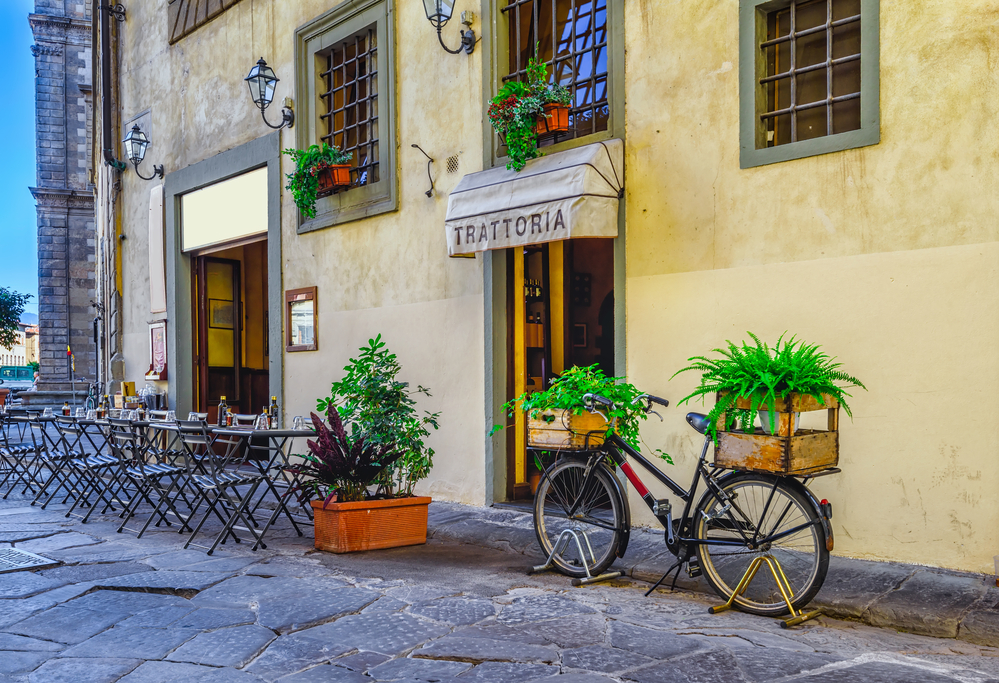
The 15-minute city is a polycentric, accessible, and sustainable urban model designed to provide residents with all essential services, including shopping, healthcare, leisure, education, and work, within a maximum of 15 minutes on foot or by bicycle from residential areas, enhancing walkability and improving overall quality of life.
The Origins of the 15-Minute City Model
This model was developed in 2016 by urban planner Carlos Moreno, a professor at the University of Paris, city where the concept was first introduced. Since then, many cities around the world have begun adopting approaches inspired by this new vision of urban living. They are gradually developing their own models and interpretations based on local characteristics and needs. These initiatives have included projects such as the redistribution of street space, the redevelopment of squares and peripheral neighbourhoods, and the creation of co-working spaces. In more recent years, there has also been discussion of the ‘30-minute region’ model, with networks of interconnected municipalities and access to essential services even in areas outside neighbourhoods of large urban cities.
Italy’s 15-Minute Cities
By the end of 2024, six Italian cities were among the “15-minute cities”: Milan (the first major city to adopt this model), Turin, Livorno, Genoa, Bologna and Florence. In these cities, around 90% of the population is able to meet their daily needs by reaching nearby services and facilities within 15 minutes. Naples and Rome, while still showing relatively strong percentages, did not rank among the most successful cities in this regard. According to a study published in Nature Cities, the share of residents able to access all essential services within a 15-minute radius was around 71% in Rome and 60% in Naples.
However, although these major cities have not yet reached ideal levels of liveability within a 15-minute walk or cycle, several projects are taking shape, especially in the capital. This is a sign of how this model is increasingly gaining ground, also thanks to the time it gives back to residents and its ability to revitalise neighbourhoods, generating positive effects on the local economy as well.
The Limits and Challenges of the 15-Minute City
This type of model is clearly not applicable to all cities for a number of reasons. The geographical layout and low population density of certain areas, for example, do not always make it possible to transform an urban centre into a “15-minute city”, while still maintaining high levels of liveability.
What International Buyers Are Looking For
As reported by Il Sole 24 Ore, rethinking urban spaces means creating cities in which every citizen can easily access, on foot or by bicycle and within short timeframes, the main functions of daily life: living, working, studying, healthcare, shopping, and leisure. This approach also helps build an urban model based on greater social equity.
15-minute cities are not only an urban planning model, but they can also play an increasingly important role in the real estate sector, as highlighted by various studies. Based on the idea of having everything within easy reach, they are particularly attractive to international buyers who seek quality of life, stability, and a high concentration of services, as well as the presence of green spaces and sustainable mobility infrastructure, such as cycle lanes.
Accessibility as a real estate Premium
This high level of accessibility is often seen as a “premium”, leading properties in these areas to have higher prices compared to less well-connected locations. However, investors and international buyers do not only consider factors like property size and cost; they also value immediate access to services, perceptions of urban safety, the possibility of adopting an authentic lifestyle that is often not car-dependent, ease of remote management, and the long-term value of the property.
In this sense, 15-minute cities and 30-minute regions are becoming a quiet but powerful factor shaping where foreign capital flows: this is not an explicitly stated criterion on property platforms, but rather the indirect result of growing demand for urban environments where services and infrastructure are concentrated and easily accessible. In this context, as reported by Qui Finanza, time becomes the new “urban currency”, and daily time savings a true “mini economic reform”.
From Small Towns to Walkable Urban Communities
15-minute cities increasingly respond to needs that are already emerging as widespread housing preferences, including among international property buyers. As observed in previous analyses and articles, there is a growing rediscovery of small towns, small communities, and villages where everything is within walking distance. From a broader perspective, the 15-minute city model follows the same logic: urban communities where services are easily accessible. This makes such environments particularly attractive to those who wish to maintain an urban lifestyle without giving up the ability to reach all essential services on foot or by bike.
In other words, these cities represent an interesting opportunity for international buyers who want to maintain a city lifestyle in centres of at least 150,000 inhabitants or more, while still enjoying a potentially quieter daily life and the possibility of moving around without the stress of car travel or long commutes just to access essential services.
Mortgage for Buying a Home: Why Credit Intermediation Matters
Would you like to purchase a property in one of these cities, or in one of Italy’s charming villages, to enjoy a more peaceful lifestyle just “15 minutes” (or less!) away from everything you need? But you’re not sure where to start when it comes to securing a mortgage?
For many international buyers, purchasing a home in Italy means dealing with complex bureaucracy, unclear procedures, and difficulties in accessing credit, especially for AIRE citizens (italian citizens residing abroad) and foreign purchasers. In this context, FIDEA – Top Italian Mortgage offers specialised support to make the entire process simpler, safer, and more transparent.
From the initial consultation through to mortgage approval, the team supports clients at every stage, simplifying the bureaucratic aspects and helping them buy a home in Italy with greater clarity and peace of mind.