
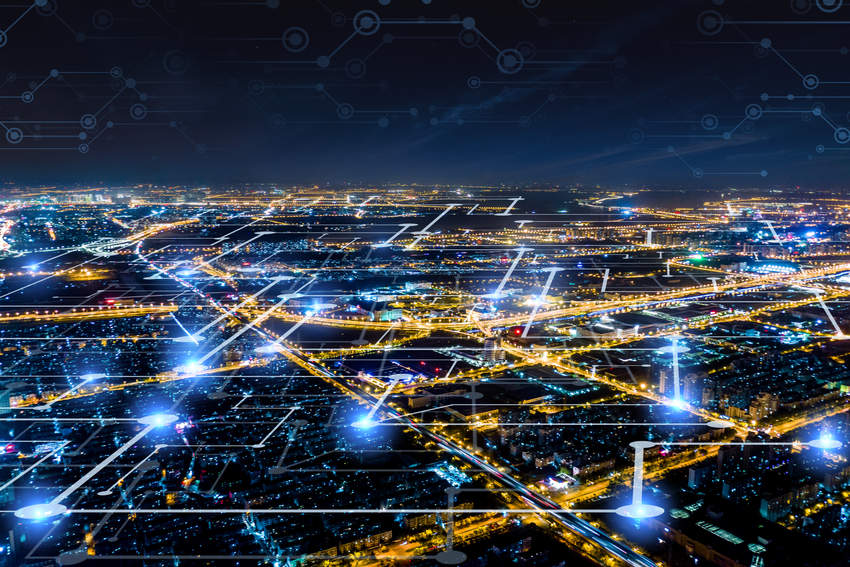
The smart home market refers to residences equipped with internet-connected devices for remote monitoring and management of appliances and domestic systems. It has demonstrated sustained growth in recent years, with an increase of approximately 11% in 2025 compared to 2024. In Italy, 60% of homes use smart technologies. Such data is in line with major European markets, where growth rates range between 8% and 12%. This expansion is driven mainly by security, artificial intelligence and energy efficiency. Smart technologies significantly contribute to reducing household energy consumption, which increases their appeal to both homeowners and prospective buyers.
In the property market, particularly in the premium segment, these features have become a key selling point. International buyers seek properties that integrate quality of life, comfort, and energy efficiency with advanced features such as home automation and remote control systems.
New buildings are frequently constructed with integrated smart systems or designed to accommodate their future installation. Conversely, existing properties may be renovated to incorporate these technologies, thereby enhancing their market value and attractiveness to potential buyers.
What Makes a Home Truly Smart
As previously discussed in our blog, sustainability and solar energy are increasingly significant within the property sector. Key smart features include energy solutions such as photovoltaic panels, smart thermostats, and environmental sensors for automated lighting control. These are supported by advanced security systems, including remotely managed smart locks and alarms, improving safety and providing reassurance.
Smart systems also make it possible to adjust lighting and shutters automatically according to the time of day or weather conditions. These features optimise energy use and improve comfort. Furthermore, a key role is played by the integration of the Internet of Things (IoT). It allows all home systems to be controlled through a single smartphone application.
Do All People Really Want Smart Homes?
Despite the rapid growth of technology, an apparently opposite trend is also emerging. More people, especially in the higher end of the market, are showing interest in a more essential and analog lifestyle.
In this context, technology is no longer seen as a status symbol. In fact, it is reduced in favour of spaces designed for wellbeing and disconnection. This has led to the rise of the so-called analog wellness, a concept that promotes calm, natural environments with minimal digital stimulation.
The aim is to reduce the stress linked to constant connectivity, creating spaces free from technology where people can read, relax and reconnect with themselves. Traditional elements such as record players and landline telephones are returning, particularly in second homes.
The Future of Housing
In the Italian property market, home automation and analog wellness represent two almost opposite approaches, yet both are becoming increasingly relevant.
Home automation serves as a significant driver of value. Smart homes are perceived as more attractive, tend to sell more rapidly, and often command higher prices due to enhanced comfort, security, and energy efficiency. In new constructions and mid- to high-end properties, these systems are increasingly regarded as a competitive standard.
In contrast, analog wellness has not yet achieved market standardization but is emerging as a significant cultural and design trend. This approach is especially valued in niche markets. These include designer homes, second residences, and experiential tourism properties, where the emphasis is placed on quality of life rather than technological integration.
A Balanced Approach to Modern Living
The Italian property market is projected to move toward a balance between these two models. The most competitive homes are expected to integrate discreet smart technology that enhances efficiency and comfort. They will also include spaces specifically designed to promote wellbeing, tranquillity, and disconnection.
This approach represents an emerging lifestyle paradigm that emphasises both technical performance and the pursuit of a more balanced, authentic, and sustainable way of living.